Popular audiobooks

How to Out-Jeff Uncle Jeff - Wicked Uncle
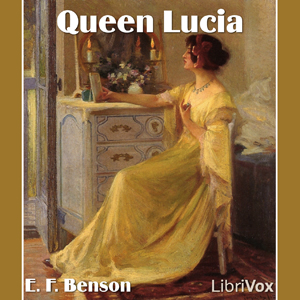
Queen Lucia - E. F. Benson

The National Geographic Magazine Vol. 08 - 04. April 1897 - National Geographic Society

Short Poetry Collection 218 - Various
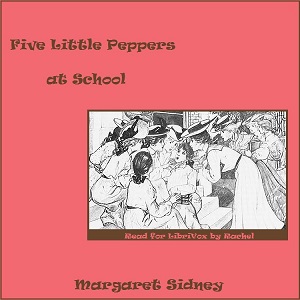
Five Little Peppers at School - Margaret Sidney
Going His Way: Little Talks to Little Folks - Rev. Gerald T. Brennan
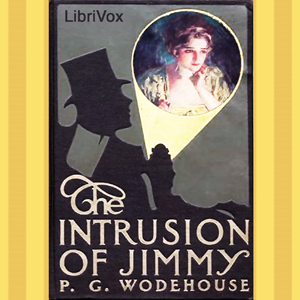
The Intrusion of Jimmy - P. G. Wodehouse
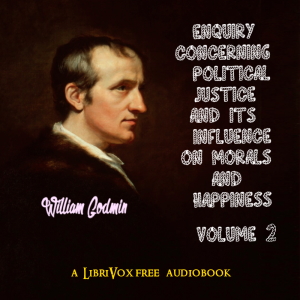
Enquiry Concerning Political Justice and its Influence on Morals and Happiness. Volume 2 - William GODWIN

The Heart of Philura - Florence Morse Kingsley
Historical Fiction
278 books
Time12:10:03
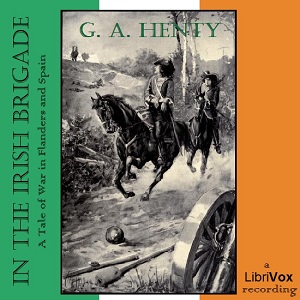
In the Irish Brigade: A Tale of War in Flanders and Spain - G. A. Henty

Time14:07:50
The Keeper of the Bees - Gene STRATTON-PORTER
Time04:19:48
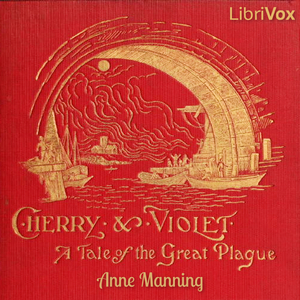
Cherry and Violet - Anne Manning

Time2:41:42
War and Peace, Book 12: 1812 - Leo Tolstoy

Time3:09:14
Ben-Hur: A Tale of the Christ Book 1 - Lew Wallace
Time21:09:12
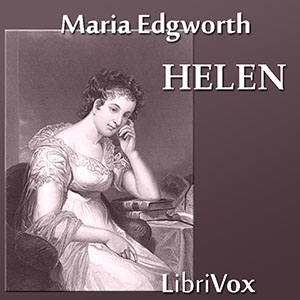
Helen - Maria Edgeworth
Time11:02:24
Catherine De' Medici - Honoré de Balzac

Time06:18:55
The Death of Society: A Novel of Tomorrow - Florence Roma Muir WILSON

Time1:53:56
War and Peace, Book 17: Second Epilogue - Leo Tolstoy
Time27:16:11
The Heart of Mid-Lothian - Sir Walter Scott
Time16:12:44
The World’s Story Volume III: Egypt, Africa and Arabia - Eva March Tappan
Time00:55:16
The Golem: A legend of old Prague - Rudolf Lothar
Time02:54:54
Minnie's Sacrifice - Frances E. W. HARPER
Time06:52:28
Men, Women and Guns - Sapper
Time12:07:05
The Side of the Angels - Basil KING
Time1:38:49
The Young Visiters - Daisy ASHFORD
Time07:28:23
The Cliff-Dwellers - Henry Blake FULLER
Time01:07:34
Yellow Butterflies - Mary Raymond Shipman ANDREWS

Time39:52:08
The Virginians - William Makepeace Thackeray
Time2:23:26
Master and Man - Leo Tolstoy
Time35:49:39
Cecilia: Memoirs of an Heiress - Fanny Burney
Time5:58:52
The Secret Battle - A. P. Herbert
Time13:32:35
With Clive in India - G. A. Henty
Time08:38:13
Hagar's Daughter. A Story of Southern Caste Prejudice - Pauline Elizabeth Hopkins
Time07:49:02
The Lion's Brood - Duffield Osborne
Time07:32:47
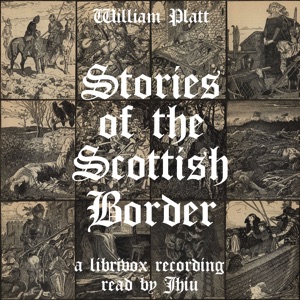
Stories of the Scottish Border - William PLATT
Time12:07:17
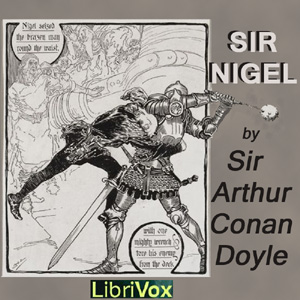
Sir Nigel - Sir Arthur Conan Doyle
Time4:39:21
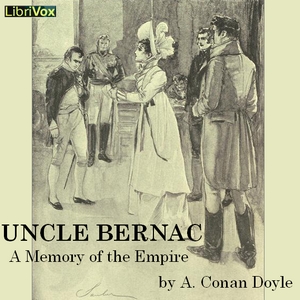
Uncle Bernac: A Memory of the Empire - Sir Arthur Conan Doyle
Time9:46:27
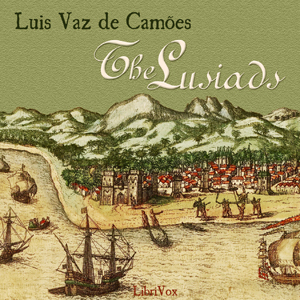
The Lusiads - Luís Vaz de CAMÕES
Time21:03:09
Rob Roy - Sir Walter Scott
Historical fiction is a genre that takes place in a specific time period in the past, often with real historical events or people woven into the story. It blends factual information with fictional elements to create a compelling narrative. The setting and details of the time period are crucial to the story, and the characters are often shaped by the historical context in which they live. Historical fiction can explore themes and issues relevant to both the past and present, and can offer insight into how people lived, thought, and felt in different eras.
1. Time period: Historical fiction takes place in a specific time period in the past, usually before the author's lifetime.
2. Historical events and people: Real historical events and people are often woven into the story to create a sense of authenticity and accuracy.
3. Blending fact and fiction: Historical fiction blends factual information with fictional elements to create a compelling narrative.
4. Setting and details: The setting and details of the time period are crucial to the story, and the author must do extensive research to accurately portray the era.
5. Characterization: The characters are often shaped by the historical context in which they live, and their actions and beliefs are influenced by the social, political, and cultural norms of the time.
6. Themes and issues: Historical fiction can explore themes and issues relevant to both the past and present, such as social justice, war, love, and human nature.
7. Insight into the past: Historical fiction can offer insight into how people lived, thought, and felt in different eras, providing a window into the past for modern readers.
1. Time period: Historical fiction takes place in a specific time period in the past, usually before the author's lifetime.
2. Historical events and people: Real historical events and people are often woven into the story to create a sense of authenticity and accuracy.
3. Blending fact and fiction: Historical fiction blends factual information with fictional elements to create a compelling narrative.
4. Setting and details: The setting and details of the time period are crucial to the story, and the author must do extensive research to accurately portray the era.
5. Characterization: The characters are often shaped by the historical context in which they live, and their actions and beliefs are influenced by the social, political, and cultural norms of the time.
6. Themes and issues: Historical fiction can explore themes and issues relevant to both the past and present, such as social justice, war, love, and human nature.
7. Insight into the past: Historical fiction can offer insight into how people lived, thought, and felt in different eras, providing a window into the past for modern readers.