Popular audiobooks
How to Out-Jeff Uncle Jeff - Wicked Uncle
Queen Lucia - E. F. Benson
The National Geographic Magazine Vol. 08 - 04. April 1897 - National Geographic Society
Short Poetry Collection 218 - Various
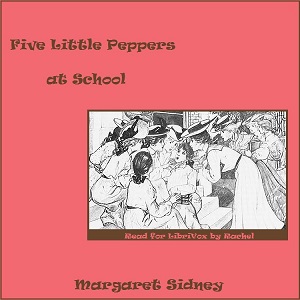
Five Little Peppers at School - Margaret Sidney
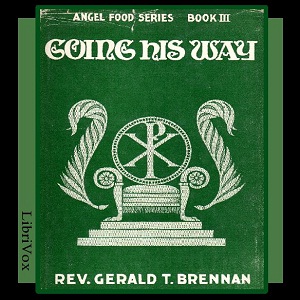
Going His Way: Little Talks to Little Folks - Rev. Gerald T. Brennan
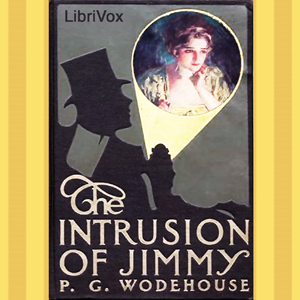
The Intrusion of Jimmy - P. G. Wodehouse
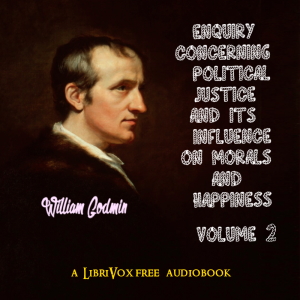
Enquiry Concerning Political Justice and its Influence on Morals and Happiness. Volume 2 - William GODWIN
The Heart of Philura - Florence Morse Kingsley
Humorous Fiction
237 books
Time09:41:02
The Lark - E. Nesbit
Time1:38:49
The Young Visiters - Daisy ASHFORD
Time2:03:38
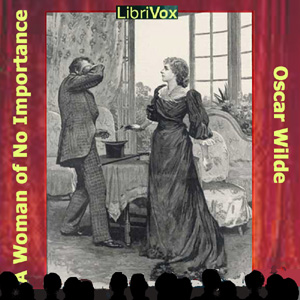
A Woman of No Importance - Oscar Wilde
Time4:59:46
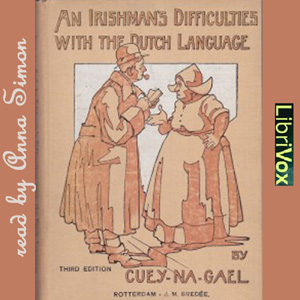
An Irishman's difficulties with the Dutch language - CUEY-NA-GAEL
Time07:23:17
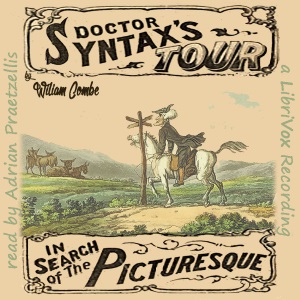
The Tour of Dr. Syntax in Search of the Picturesque - William Combe
Time4:12:04
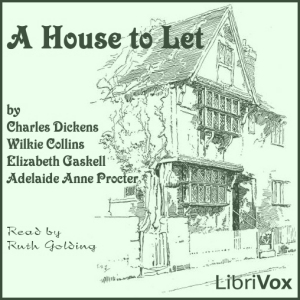
A House to Let - Undefined
Time04:59:34
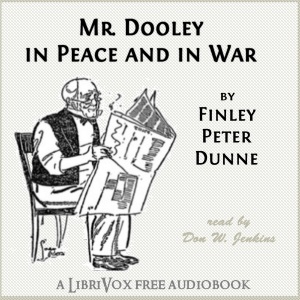
Mr. Dooley in Peace and in War - Finley Peter DUNNE
Time6:43:47
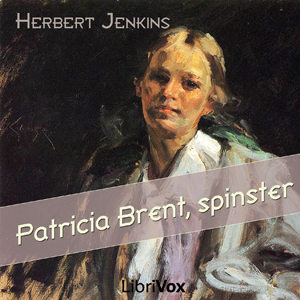
Patricia Brent, spinster - Herbert George Jenkins
Time02:00:03
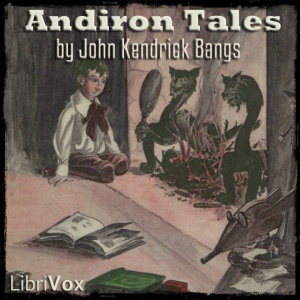
Andiron Tales - John Kendrick Bangs
Time0:38:03
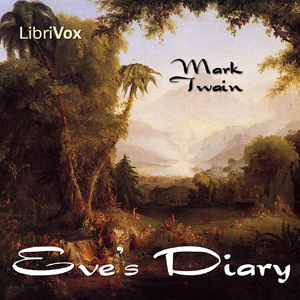
Eve’s Diary - Mark Twain
Time06:15:35
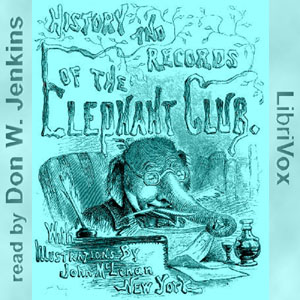
History and Records of the Elephant Club - Q. K. Philander DOESTICKS
Time10:00:03
Gargantua and Pantagruel, Book III - François Rabelais
Time5:56:47
The Napoleon of Notting Hill - G. K. Chesterton
Time1:27:20
Vice in its Proper Shape - Anonymous
Time1:34:17
A Guide to Men - Helen ROWLAND
Time2:43:36
Dandy Dick - Arthur Wing Pinero
Time02:52:18
The Schoolmistress - Arthur Wing Pinero
Time03:17:14
One Day's Courtship and The Heralds of Fame - Robert BARR
Time6:59:22
The Toys of Peace - Saki
Time04:49:47
Little Masterpieces of American Wit and Humor Vol 2 - Various
Time0:53:15
First Fifty Digits of Pi - Scott HEMPHILL
Time01:03:15
Parodies on Tennyson's Charge of the Light Brigade - Walter HAMILTON
Time08:02:38
The Talking Horse And Other Stories - F. Anstey
Time5:16:42
Sunshine Sketches of a Little Town (version 2) - Stephen Leacock
Time14:35:49
The History of the Devil - Daniel Defoe
Time01:06:51
The Best Nonsense Verses - Josephine Daskam Bacon
Time04:15:47
Stories by English Authors: London - Israel Zangwill
Humorous Fiction is a literary genre that aims to entertain readers through the use of wit, irony, satire, and other comedic devices. It often features exaggerated and absurd situations, quirky characters, and humorous dialogue. The stories in this genre are not meant to be taken seriously and are intended to make readers laugh or smile. Humorous Fiction can range from light-hearted and silly to dark and satirical, and can be found in novels, short stories, plays, and even poetry. This genre is popular among readers who want to escape from the stresses of everyday life and enjoy a good laugh.
1. Humor: Humorous fiction is characterized by its ability to make readers laugh or smile, often through witty dialogue, absurd situations, and exaggerated characters.
2. Satire: Satire is a common element of humorous fiction, in which the author uses humor to criticize and mock societal norms, behaviors, and institutions.
3. Irony: Irony is also frequently employed in humorous fiction, as the author uses unexpected twists and turns to create comedic effect.
4. Light-hearted tone: Humorous fiction typically has a light-hearted tone, making it an enjoyable and entertaining read.
5. Quirky characters: The characters in humorous fiction are often quirky and eccentric, adding to the comedic effect of the story.
6. Playful language: The language used in humorous fiction is often playful and lighthearted, using puns, wordplay, and other linguistic devices to create humor.
7. Escapism: Humorous fiction offers readers a form of escapism from the stresses of everyday life, allowing them to relax and enjoy a good laugh.
1. Humor: Humorous fiction is characterized by its ability to make readers laugh or smile, often through witty dialogue, absurd situations, and exaggerated characters.
2. Satire: Satire is a common element of humorous fiction, in which the author uses humor to criticize and mock societal norms, behaviors, and institutions.
3. Irony: Irony is also frequently employed in humorous fiction, as the author uses unexpected twists and turns to create comedic effect.
4. Light-hearted tone: Humorous fiction typically has a light-hearted tone, making it an enjoyable and entertaining read.
5. Quirky characters: The characters in humorous fiction are often quirky and eccentric, adding to the comedic effect of the story.
6. Playful language: The language used in humorous fiction is often playful and lighthearted, using puns, wordplay, and other linguistic devices to create humor.
7. Escapism: Humorous fiction offers readers a form of escapism from the stresses of everyday life, allowing them to relax and enjoy a good laugh.