Popular audiobooks

How to Out-Jeff Uncle Jeff - Wicked Uncle
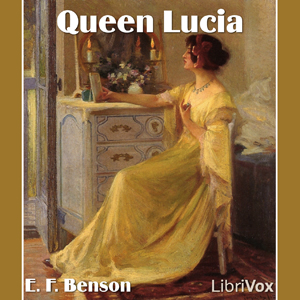
Queen Lucia - E. F. Benson
The National Geographic Magazine Vol. 08 - 04. April 1897 - National Geographic Society
Short Poetry Collection 218 - Various
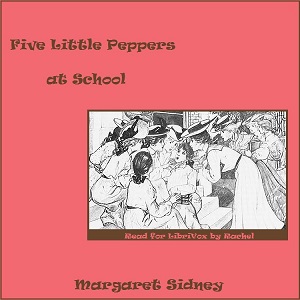
Five Little Peppers at School - Margaret Sidney
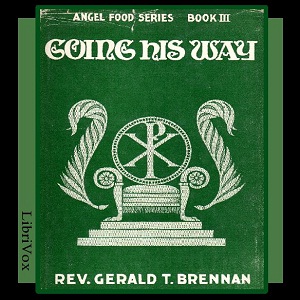
Going His Way: Little Talks to Little Folks - Rev. Gerald T. Brennan
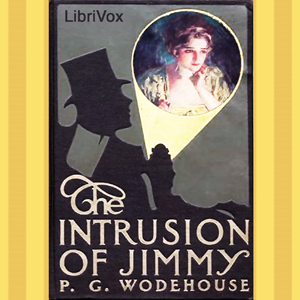
The Intrusion of Jimmy - P. G. Wodehouse
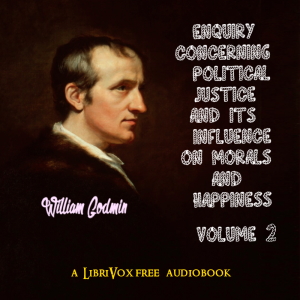
Enquiry Concerning Political Justice and its Influence on Morals and Happiness. Volume 2 - William GODWIN
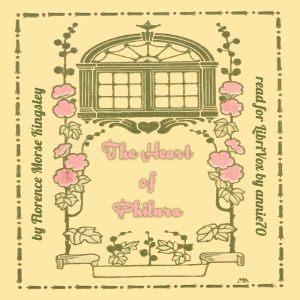
The Heart of Philura - Florence Morse Kingsley
Poetry
651 books
Time00:30:27
A Golden Day - Ella Wheeler Wilcox
Time01:10:36
Short Poetry Collection 146 - Various
Time0:33:06
Short Poetry Collection 027 - Various
Time0:46:00
Short Poetry Collection 115 - Various
Time00:20:33
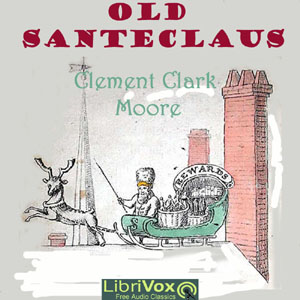
Old Santeclaus - Clement Clarke Moore
Time0:53:28
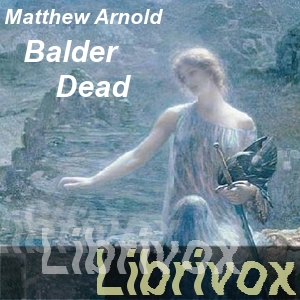
Balder Dead - Matthew Arnold
Time0:32:50
Short Poetry Collection 055 - Various
Time14:50:08
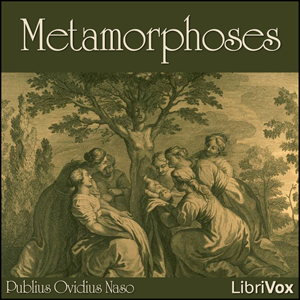
Metamorphoses - Publius
Time01:25:14
Maude - Christina ROSSETTI
Time1:08:25
Short Poetry Collection 088 - Various
Time0:25:33
So Warmly We Met - Thomas Moore
Time00:06:14
Bible (KJV) 19: Psalm 133 - King James Version
Time1:58:26
Ars Poetica and Carmen Saeculare - Quintus HORATIUS FLACCUS
Time9:20:30
Idylls of the King - Alfred, Lord Tennyson
Time02:38:57
Short Poetry Collection 215 - Various
Time0:09:46
A Burnt Ship - John Donne
Time02:39:46
Stories of Birds - Lenore Elizabeth Mulets
Time0:16:50
A Song in Spring - Thomas S. JONES JR.
Time01:05:26
Short Poetry Collection 138 - Various
Time0:28:08
Poetry: A Magazine of Verse, Vol 18, April-September 1921 - Various
Time0:15:29
Love and Friendship - Emily Brontë
Time01:00:38
A Child's Garden of Verses (version 2) - Robert Louis Stevenson

Time0:16:23
High waving heather 'neath stormy blasts bending - Emily Brontë
Time00:16:19
The Goop Directory (version 3) - Frank Gelett BURGESS
Time0:29:41
Ode (Bards Of Passion And Of Mirth) - John Keats
Time0:08:03
Song (Lowell version) - James Russell Lowell
Time0:21:29
A Thrush Before Dawn - Alice Meynell
Time1:11:17
A Shropshire Lad (version 2) - A. E. Housman
Time00:26:31
The Cheery Way, a Bit of Verse for Every Day - January - John Kendrick Bangs
Time01:15:45
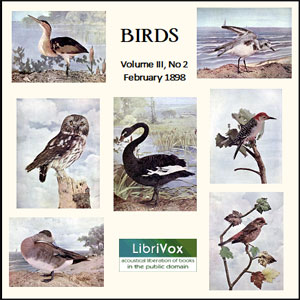
Birds, Vol. III, No 2, February 1898 - Various
Poetry is a genre of literature that uses language in a creative and artistic way to express emotions, ideas, and experiences. Poems can be written in various forms, including sonnets, haikus, free verse, and more. The language used in poetry is often rich and imaginative, with a focus on metaphor, symbolism, and imagery. Poets use various techniques such as rhyme, rhythm, repetition, and alliteration to create a musical quality in their work. Poetry can cover a wide range of themes, from love and nature to social issues and political commentary. It is a genre that allows for personal expression and interpretation, inviting readers to connect with the emotions and experiences of the poet.
- Poetry is a genre of literature that uses language in a creative and artistic way.
- The purpose of poetry is to express emotions, ideas, and experiences.
- Poems can be written in various forms, including sonnets, haikus, free verse, and more.
- The language used in poetry is often rich and imaginative, with a focus on metaphor, symbolism, and imagery.
- Poets use various techniques such as rhyme, rhythm, repetition, and alliteration to create a musical quality in their work.
- Poetry can cover a wide range of themes, from love and nature to social issues and political commentary.
- Poetry allows for personal expression and interpretation, inviting readers to connect with the emotions and experiences of the poet.
- Poetry is a genre of literature that uses language in a creative and artistic way.
- The purpose of poetry is to express emotions, ideas, and experiences.
- Poems can be written in various forms, including sonnets, haikus, free verse, and more.
- The language used in poetry is often rich and imaginative, with a focus on metaphor, symbolism, and imagery.
- Poets use various techniques such as rhyme, rhythm, repetition, and alliteration to create a musical quality in their work.
- Poetry can cover a wide range of themes, from love and nature to social issues and political commentary.
- Poetry allows for personal expression and interpretation, inviting readers to connect with the emotions and experiences of the poet.