Popular audiobooks

How to Out-Jeff Uncle Jeff - Wicked Uncle
Queen Lucia - E. F. Benson
The National Geographic Magazine Vol. 08 - 04. April 1897 - National Geographic Society
Short Poetry Collection 218 - Various
Five Little Peppers at School - Margaret Sidney
Going His Way: Little Talks to Little Folks - Rev. Gerald T. Brennan
The Intrusion of Jimmy - P. G. Wodehouse
Enquiry Concerning Political Justice and its Influence on Morals and Happiness. Volume 2 - William GODWIN
The Heart of Philura - Florence Morse Kingsley
Poetry
651 books
Time1:15:48
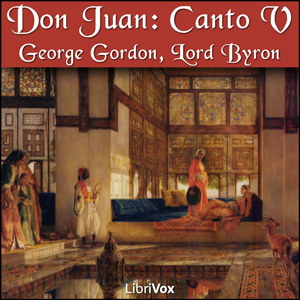
Don Juan, Canto 5 - George Gordon, Lord Byron
Time0:22:08
The Lie - Sir Walter RALEIGH
Time14:39:21
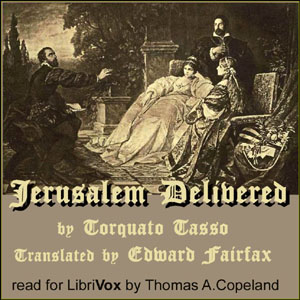
Jerusalem Delivered - Torquato Tasso
Time01:19:52
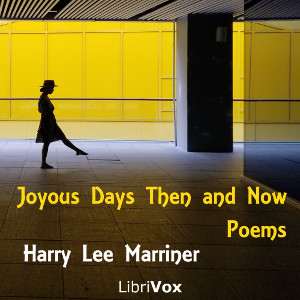
Joyous Days Then and Now - Harry Lee MARRINER
Time00:23:22
Easter Carols - Louisa Parsons Stone HOPKINS
Time01:19:00
The Singing Man: A Book of Songs and Shadows - Josephine Preston Peabody
Time0:18:39
Sonnet on a Wet Summer - John Codrington BAMPFIELD
Time00:29:00
A Book of Twenty-four Sonnets - Laurens MAYNARD
Time1:46:20
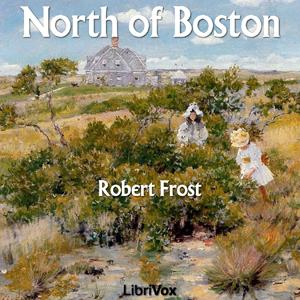
North of Boston - Robert Frost
Time01:23:01
Sonnets and Songs - Helen Hay WHITNEY
Time0:14:20
Sonnet 028 - William Shakespeare
Time0:20:26
Fidele - William Shakespeare
Time02:02:09
Rose and Roof-Tree - George Parsons Lathrop
Time02:47:28
Short Poetry Collection 214 - Various
Time6:46:23
The Ramayan, Book 4 - Valmiki
Time0:12:16
All Things Can Tempt Me - William Butler Yeats
Time16:44:01
The World’s Story Volume IV: Greece and Rome - Eva March Tappan
Time2:21:25
The Song of Hugh Glass - John Neihardt
Time01:38:30
A Century of Roundels - Algernon Charles Swinburne
Time0:10:00
Sonnet 023 - William Shakespeare
Time0:19:51
A Boy's Song - James HOGG
Time00:08:18
Peter Piper's Practical Principles of Plain and Perfect Pronunciation - Anonymous
Time1:17:55
Spirits in Bondage - C. S. Lewis
Time0:09:40
Poet To His Love - Maxwell Bodenheim
Time00:27:22
The Cheery Way, a Bit of Verse for Every Day - March - John Kendrick Bangs
Time0:20:12
Lines - Percy Bysshe Shelley
Time01:14:14
When We Were Very Young (version 2) - A. A. MILNE
Time04:16:54
Songs of the Sea and Lays of the Land - Charles Godfrey Leland
Time0:15:12
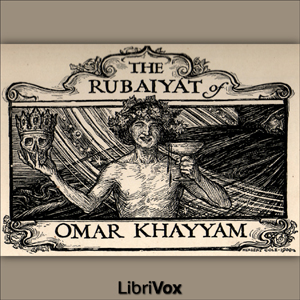
Rubáiyát of Omar Khayyám (Fitzgerald) - Omar Khayyám
Time01:27:17
A Voice on the Wind, and Other Poems - Madison Cawein
Poetry is a genre of literature that uses language in a creative and artistic way to express emotions, ideas, and experiences. Poems can be written in various forms, including sonnets, haikus, free verse, and more. The language used in poetry is often rich and imaginative, with a focus on metaphor, symbolism, and imagery. Poets use various techniques such as rhyme, rhythm, repetition, and alliteration to create a musical quality in their work. Poetry can cover a wide range of themes, from love and nature to social issues and political commentary. It is a genre that allows for personal expression and interpretation, inviting readers to connect with the emotions and experiences of the poet.
- Poetry is a genre of literature that uses language in a creative and artistic way.
- The purpose of poetry is to express emotions, ideas, and experiences.
- Poems can be written in various forms, including sonnets, haikus, free verse, and more.
- The language used in poetry is often rich and imaginative, with a focus on metaphor, symbolism, and imagery.
- Poets use various techniques such as rhyme, rhythm, repetition, and alliteration to create a musical quality in their work.
- Poetry can cover a wide range of themes, from love and nature to social issues and political commentary.
- Poetry allows for personal expression and interpretation, inviting readers to connect with the emotions and experiences of the poet.
- Poetry is a genre of literature that uses language in a creative and artistic way.
- The purpose of poetry is to express emotions, ideas, and experiences.
- Poems can be written in various forms, including sonnets, haikus, free verse, and more.
- The language used in poetry is often rich and imaginative, with a focus on metaphor, symbolism, and imagery.
- Poets use various techniques such as rhyme, rhythm, repetition, and alliteration to create a musical quality in their work.
- Poetry can cover a wide range of themes, from love and nature to social issues and political commentary.
- Poetry allows for personal expression and interpretation, inviting readers to connect with the emotions and experiences of the poet.