Popular audiobooks
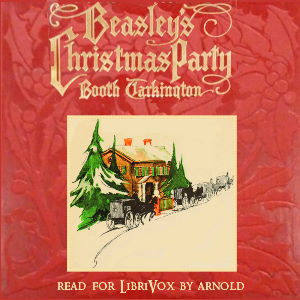
Beasley's Christmas Party - Booth Tarkington
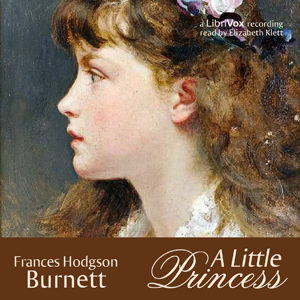
A Little Princess (Version 3) - Frances Hodgson Burnett
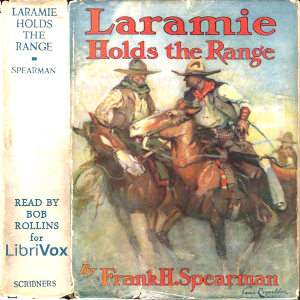
Laramie Holds The Range - Frank H. SPEARMAN
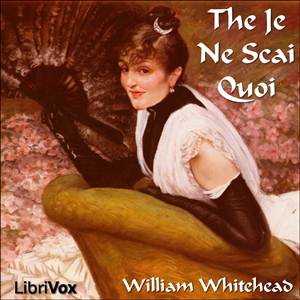
The Je Ne Scai Quoi - William WHITEHEAD
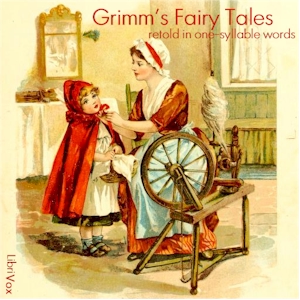
Grimm's Fairy Tales - Retold in One-Syllable Words - Jacob & Wilhelm Grimm
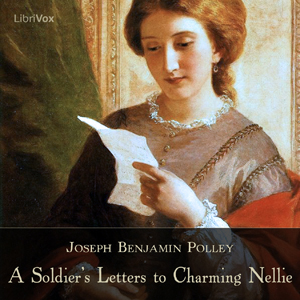
A Soldier's Letters to Charming Nellie - Joseph Benjamin Polley
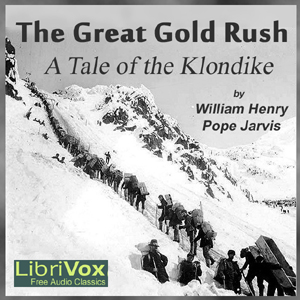
The Great Gold Rush: A Tale of the Klondike - William Henry Pope JARVIS
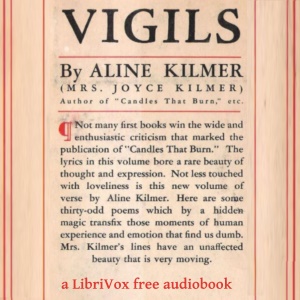
Vigils - Aline KILMER
The French Revolution Volume 2 The Constitution - Thomas CARLYLE
Poetry
754 books
Time04:07:55
The Junior Classics Volume 10 Part 1: Poems Old and New - William PATTEN
Time0:48:52
Short Poetry Collection 091 - Various
Time0:46:23
Ere Sleep Comes Down to Soothe the Weary Eyes - Paul Laurence Dunbar
Time0:12:19
Music, when soft voices die - Percy Bysshe Shelley
Time05:54:13
The Seasons - James THOMSON
Time00:22:14
The Singing-Woman from the Wood's Edge - Edna St. Vincent Millay
Time0:34:13
A Wet Sheet and a Flowing Sea - Allan CUNNINGHAM
Time0:21:54
Spring (Barber) - Margaret Fairless BARBER
Time0:14:42
Quatrain - Omar Khayyám
Time0:24:35
Short Poetry Collection 033 - Various
Time0:15:36
Vitai Lampada - Sir Henry NEWBOLT
Time01:17:14
The Peter Patter Book of Nursery Rhymes (Version 2) - Leroy F. Jackson
Time1:06:46
Grimm Tales Made Gay - Guy Wetmore Carryl
Time01:10:33
A Child's Garden of Verses (Version 3) - Robert Louis Stevenson
Time02:43:06
The Seven Seas - Rudyard Kipling
Time03:08:24
Katydid's Poems - Kate Slaughter MCKINNEY
Time01:27:36
Short Poetry Collection 197 - Various
Time0:17:59
In the Rain - William Wetmore STORY
Time0:21:53
The Miller's Daughter - Alfred, Lord Tennyson
Time01:27:56
Poems from the Divan of Hafiz - HAFIZ
Time0:53:48
Short Poetry Collection 098 - Various
Time0:13:56
Men of Harlech - Talhaiarn
Time00:46:55
Short Poetry Collection 128 - Various

Time1:12:34
Short Poetry Collection 073 - Various
Time01:08:37
Pro Patria - Julia Caroline Dorr
Time02:10:01
By the Sea, and Other Verses - Hannah Lavinia BAILY

Time0:40:43
The Cremation of Sam McGee - Robert W. Service
Time0:33:08
Short Poetry Collection 022 - Various
Time02:04:06
A Sheaf of Verses - Radclyffe Hall
Time0:09:13
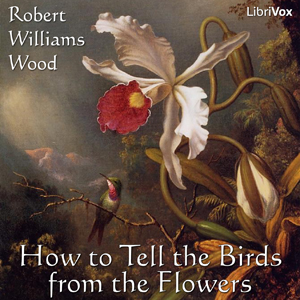
How to Tell the Birds from the Flowers - Robert Williams WOOD
Poetry is a genre of literature that uses language in a creative and artistic way to express emotions, ideas, and experiences. Poems can be written in various forms, including sonnets, haikus, free verse, and more. The language used in poetry is often rich and imaginative, with a focus on metaphor, symbolism, and imagery. Poets use various techniques such as rhyme, rhythm, repetition, and alliteration to create a musical quality in their work. Poetry can cover a wide range of themes, from love and nature to social issues and political commentary. It is a genre that allows for personal expression and interpretation, inviting readers to connect with the emotions and experiences of the poet.
- Poetry is a genre of literature that uses language in a creative and artistic way.
- The purpose of poetry is to express emotions, ideas, and experiences.
- Poems can be written in various forms, including sonnets, haikus, free verse, and more.
- The language used in poetry is often rich and imaginative, with a focus on metaphor, symbolism, and imagery.
- Poets use various techniques such as rhyme, rhythm, repetition, and alliteration to create a musical quality in their work.
- Poetry can cover a wide range of themes, from love and nature to social issues and political commentary.
- Poetry allows for personal expression and interpretation, inviting readers to connect with the emotions and experiences of the poet.
- Poetry is a genre of literature that uses language in a creative and artistic way.
- The purpose of poetry is to express emotions, ideas, and experiences.
- Poems can be written in various forms, including sonnets, haikus, free verse, and more.
- The language used in poetry is often rich and imaginative, with a focus on metaphor, symbolism, and imagery.
- Poets use various techniques such as rhyme, rhythm, repetition, and alliteration to create a musical quality in their work.
- Poetry can cover a wide range of themes, from love and nature to social issues and political commentary.
- Poetry allows for personal expression and interpretation, inviting readers to connect with the emotions and experiences of the poet.