Popular audiobooks
Beasley's Christmas Party - Booth Tarkington
A Little Princess (Version 3) - Frances Hodgson Burnett
Laramie Holds The Range - Frank H. SPEARMAN
The Je Ne Scai Quoi - William WHITEHEAD
Grimm's Fairy Tales - Retold in One-Syllable Words - Jacob & Wilhelm Grimm
A Soldier's Letters to Charming Nellie - Joseph Benjamin Polley
The Great Gold Rush: A Tale of the Klondike - William Henry Pope JARVIS
Vigils - Aline KILMER
The French Revolution Volume 2 The Constitution - Thomas CARLYLE
Political Science
144 books
Time11:13:00
Handbook of Home Rule: Being Articles on the Irish Question - Undefined
Time1:41:46
Bethink Yourselves! - Leo Tolstoy
Time04:39:18
Discourses on the First Decade of Titus Livius, Book 2 - Niccolò Machiavelli
Time17:50:44
The Works of the Right Honourable Edmund Burke, Vol. 01 - Edmund BURKE
Time02:34:10
Mother Earth, Vol. 1 No. 1, March 1906 - Undefined
Time39:19:34
Capital: a critical analysis of capitalist production, Vol 1 - Karl MARX
Time02:08:05
The American Credo - H. L. Mencken
Time06:41:52
State of the Union Addresses by United States Presidents (1889 - 1892) - Benjamin HARRISON
Time06:03:01
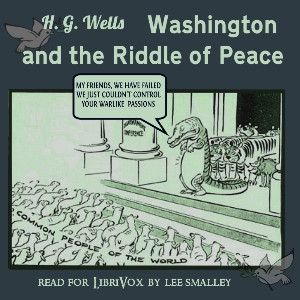
Washington and the Riddle of Peace - H. G. Wells
Time7:16:37
Democracy - An American Novel - Henry Brooks Adams
Time11:29:50
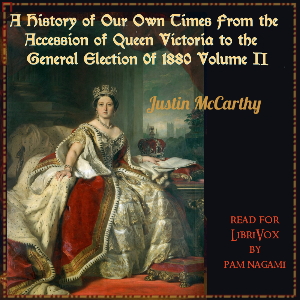
A History of Our Own Times From the Accession of Queen Victoria to the General Election of 1880, Volume II - Justin McCarthy
Time18:39:13
Progress and Poverty - Henry GEORGE

Time18:33:31
The Promise of American Life - Herbert Croly
Time03:37:10
The Deportation Cases of 1919-1920 - Constantine PANUNZIO
Time08:06:18
The Democracy of the Constitution, and other Addresses and Essays - Henry Cabot LODGE
Time23:20:21
The 9/11 Commission Report - THE 9/11 COMMISSION
Time11:28:41
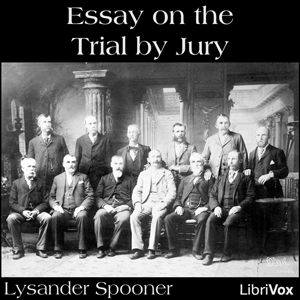
Essay on the Trial by Jury - Lysander Spooner
Time03:45:11
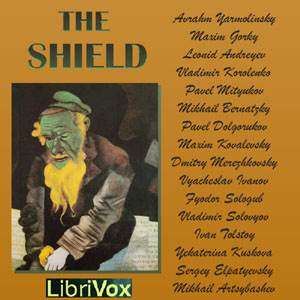
The Shield - Various
Time14:34:01
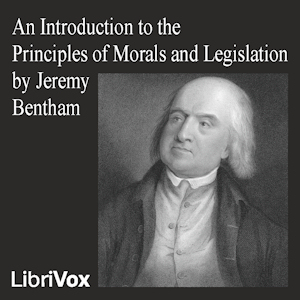
An Introduction to the Principles of Morals and Legislation - Jeremy BENTHAM
Time7:58:12
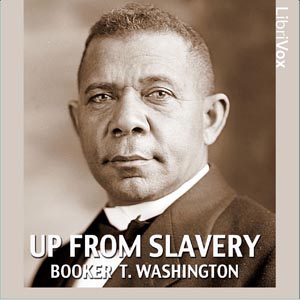
Up from Slavery: An Autobiography - Booker T. Washington
Time17:54:06
Commentaries on the Laws of England (1765) - William BLACKSTONE
Time05:42:50
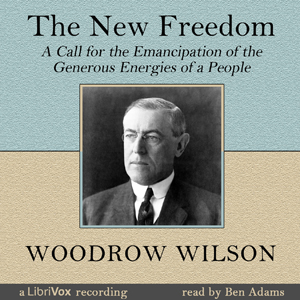
The New Freedom - Woodrow WILSON
Time10:42:09
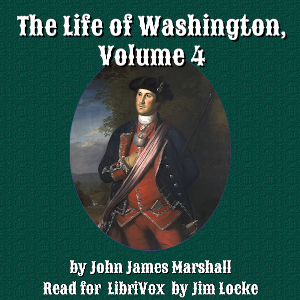
The Life of Washington, Volume 4 - John James Marshall
Time08:50:05
Global Trends 2030: Alternative Worlds - National Intelligence Council
Political science is a social science discipline that focuses on the study of political systems, institutions, behavior, and processes. It involves analyzing the ways in which power is exercised and shared, and the impact of government policies on society. Political scientists use a variety of research methods, including quantitative and qualitative analysis, to explore topics such as elections, public opinion, international relations, and public policy. The genre of political science writing includes scholarly articles, books, and reports that aim to contribute to our understanding of politics and governance. These works may be theoretical or empirical, and may draw on a range of disciplinary perspectives, including economics, sociology, psychology, and history. Political science writing may also be normative, offering recommendations for policy or advocating for particular political values or goals.