Popular audiobooks
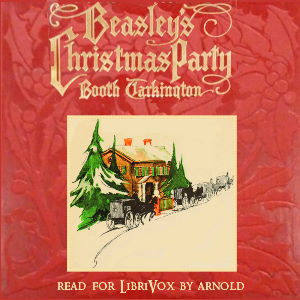
Beasley's Christmas Party - Booth Tarkington
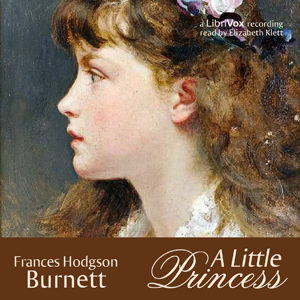
A Little Princess (Version 3) - Frances Hodgson Burnett
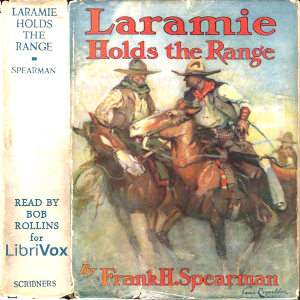
Laramie Holds The Range - Frank H. SPEARMAN
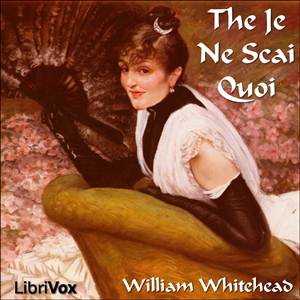
The Je Ne Scai Quoi - William WHITEHEAD
Grimm's Fairy Tales - Retold in One-Syllable Words - Jacob & Wilhelm Grimm
A Soldier's Letters to Charming Nellie - Joseph Benjamin Polley
The Great Gold Rush: A Tale of the Klondike - William Henry Pope JARVIS
Vigils - Aline KILMER
The French Revolution Volume 2 The Constitution - Thomas CARLYLE
Multi-version (Weekly and Fortnightly poetry)
649 books
Time0:21:10
At Home From Church - Sarah Orne Jewett
Time0:29:05
Alice Pleasance Liddell - Lewis Carroll
Time0:08:02
Adlestrop - Edward Thomas
Time0:45:04
The Author's Abstract of Melancholy - Robert BURTON
Time00:14:11
A Vagabond Song - Bliss Carman
Time00:21:43
The Sleet - Nannie Rebecca GLASS
Time7:00
The Oxen - Thomas Hardy
Time00:31:51
The Bee - H. P. Nichols
Time0:30:59
October (Dunbar version) - Paul Laurence Dunbar
Time0:07:39
A Drinking Song - William Butler Yeats
Time0:19:45
Chorus of Women - Aristophanes
Time00:15:50
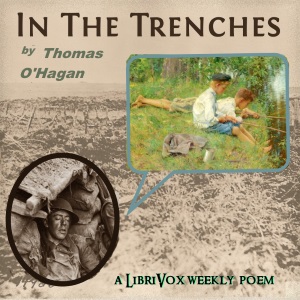
In The Trenches - Thomas O'Hagan
Time13:35
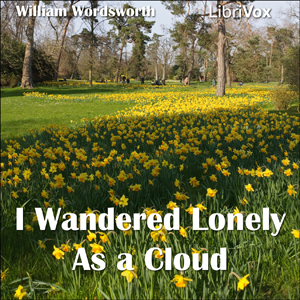
I Wandered Lonely as a Cloud - William Wordsworth
Time00:23:40
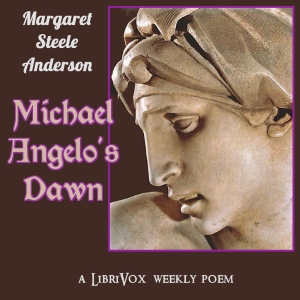
Michael Angelo's "Dawn" - Margaret Steele Anderson
Time0:23:16
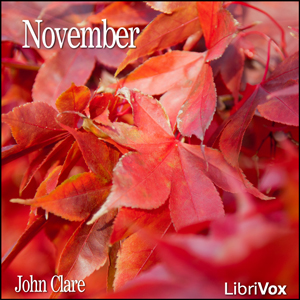
November - John Clare
Time0:25:27
Seaside - Rupert Brooke
Time00:28:35
A Mountain Station - Andrew Barton Paterson
Time00:21:17
After-Glow - Susan Coolidge
Time0:13:18
Nippon - Alfred Noyes
Time0:12:28
Summer Shower - Emily Dickinson
Time0:16:55
My True Love - Sir Philip Sidney
Time0:26:34
The Higher Pantheism - Alfred, Lord Tennyson
Time00:45:18
The Haunted Palace - Edgar Allan Poe
Time0:21:54
Long Ago - Christina ROSSETTI

Time0:11:09
Simple Gifts - Joseph BRACKETT
Time0:35:28
The Red Cross Spirit Speaks - John Huston FINLEY
Time00:14:52
Roots and Leaves Themselves Alone - Walt Whitman
Time0:22:37
Believe Me, if All Those Endearing Young Charms - Thomas Moore
Time00:15:04
A Discouraging Model - James Whitcomb Riley
Time00:36:49
Truth - Elizabeth Barrett Browning
Poetry is a genre of literature that uses language to evoke emotions, paint vivid imagery, and convey complex ideas in a condensed form. It often employs various literary devices such as rhyme, meter, alliteration, metaphor, and simile to create a musical and rhythmic effect. Poetry can take many forms, including sonnets, haikus, free verse, ballads, and epics, among others. It is often used to explore themes such as love, nature, death, politics, and social issues. Poetry can be deeply personal and introspective or can speak to universal experiences and emotions. It is a powerful means of expression that has the ability to move and inspire readers.