Popular audiobooks
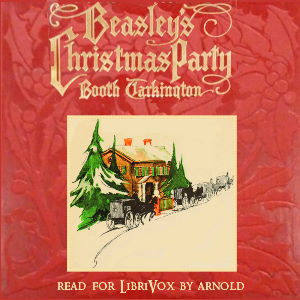
Beasley's Christmas Party - Booth Tarkington
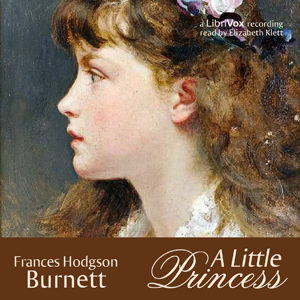
A Little Princess (Version 3) - Frances Hodgson Burnett
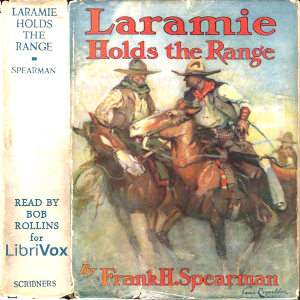
Laramie Holds The Range - Frank H. SPEARMAN
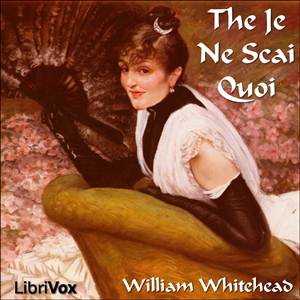
The Je Ne Scai Quoi - William WHITEHEAD
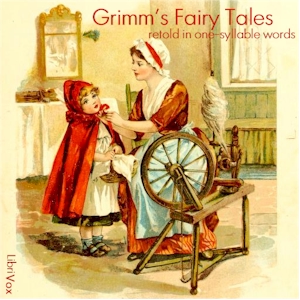
Grimm's Fairy Tales - Retold in One-Syllable Words - Jacob & Wilhelm Grimm
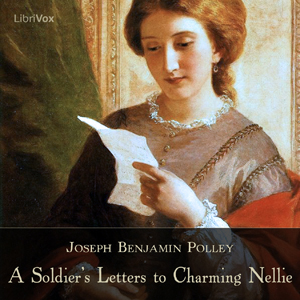
A Soldier's Letters to Charming Nellie - Joseph Benjamin Polley
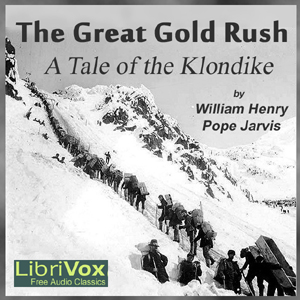
The Great Gold Rush: A Tale of the Klondike - William Henry Pope JARVIS
Vigils - Aline KILMER
The French Revolution Volume 2 The Constitution - Thomas CARLYLE
Multi-version (Weekly and Fortnightly poetry)
649 books
Time0:07:37
The Je Ne Scai Quoi - William WHITEHEAD
Time0:42:52
Travels by the Fireside - Henry Wadsworth Longfellow
Time0:15:07
The Railway Train - Emily Dickinson
Time00:14:12
On Seeing The Daibutsu - At Kamakura, Japan - Ella Wheeler Wilcox
Time00:15:57
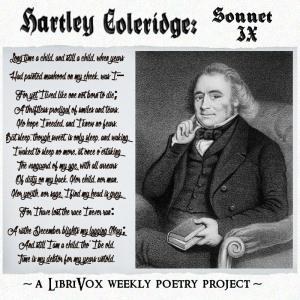
Sonnet IX - Hartley COLERIDGE

Time00:15:08
The Poet Who Sleeps - Walter Savage Landor
Time00:17:11
Summer Storm - Sara Teasdale
Time0:22:14
Worth While - Ella Wheeler Wilcox
Time00:26:07
The Ripest Peach - James Whitcomb Riley
Time00:43:27
Lines. After the Manner of the Olden Time. - George Pope MORRIS
Time00:30:43
The Bee - Emily Dickinson
Time00:24:48
To the River - Edgar Allan Poe
Time00:32:58
A Bit of Color - Arthur MACY
Time00:17:52
Harbour Dawn - Lucy Maud Montgomery
Time0:18:20
To Autumn - John Keats
Time00:18:05
Hope - Emily Brontë
Time00:20:50
Go Plant A Tree - Ella Wheeler Wilcox
Time0:12:24
Impartiality - James Russell Lowell
Time00:10:00
An Autumn Walk with Deborah - Aline KILMER
Time0:20:10
My Prime of Youth is but a Frost of Cares - Chidiock TICHBORNE
Time00:25:43
Goodfriday, 1613. Riding Westward - John Donne
Time0:16:00
Oh, Call It by Some Better Name - Thomas Moore
Time00:18:13
The Old Inn - Madison Cawein
Time0:10:54
She Dwelt among the Untrodden Ways - William Wordsworth
Time00:20:30
To Mrs. De St Croix on Her Recovery - Thomas Love Peacock
Time00:18:32
The Maid's Lament - Walter Savage Landor
Time00:12:51
Spirits of the Dead - Edgar Allan Poe
Time0:16:51
After Music - Josephine Preston Peabody
Time0:13:48
The Song of the Western Men - Robert Stephen HAWKER
Time00:24:43
The Hag - Robert Herrick
Poetry is a genre of literature that uses language to evoke emotions, paint vivid imagery, and convey complex ideas in a condensed form. It often employs various literary devices such as rhyme, meter, alliteration, metaphor, and simile to create a musical and rhythmic effect. Poetry can take many forms, including sonnets, haikus, free verse, ballads, and epics, among others. It is often used to explore themes such as love, nature, death, politics, and social issues. Poetry can be deeply personal and introspective or can speak to universal experiences and emotions. It is a powerful means of expression that has the ability to move and inspire readers.