Popular audiobooks

How to Out-Jeff Uncle Jeff - Wicked Uncle
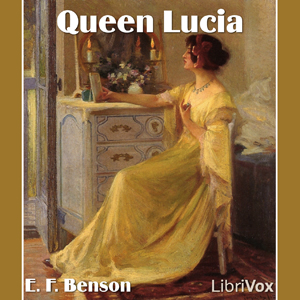
Queen Lucia - E. F. Benson
The National Geographic Magazine Vol. 08 - 04. April 1897 - National Geographic Society
Short Poetry Collection 218 - Various
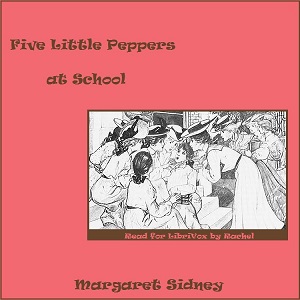
Five Little Peppers at School - Margaret Sidney
Going His Way: Little Talks to Little Folks - Rev. Gerald T. Brennan
The Intrusion of Jimmy - P. G. Wodehouse
Enquiry Concerning Political Justice and its Influence on Morals and Happiness. Volume 2 - William GODWIN

The Heart of Philura - Florence Morse Kingsley
Poetry
651 books
Time02:37:23
The Rubaiyat of Umar Khaiyam - Omar Khayyám
Time02:34:00
The Rover Vol. 01 No. 06 - Seba Smith

Time0:40:04
Short Poetry Collection 020 - Various
Time2:30:42
Long Poems Collection 006 - Various
Time01:17:33
Rose Leaf and Apple Leaf - Rennell RODD
Time0:33:52
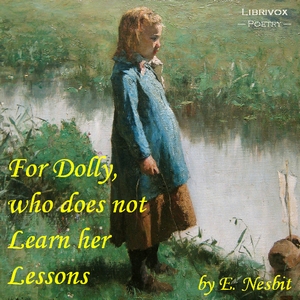
For Dolly, who does not Learn her Lessons - E. Nesbit
Time0:21:58
My Madonna - Robert W. Service
Time0:24:22
Oh, No - Not Even When First We Loved - Thomas Moore
Time0:14:04
Inscription for an Old Bed - William Morris
Time02:29:11
Short Poetry Collection 208 - Various
Time00:22:50
The Brother Avenged, and Other Ballads - George BORROW
Time00:28:18
The Cheery Way, a Bit of Verse for Every Day - April - John Kendrick Bangs

Time0:28:56
Short Poetry Collection 045 - Various
Time0:27:14
To a Dog - John Jay CHAPMAN
Time0:33:37
The Despairing Lover - William WALSH
Time5:09:49
Satires - Decimus Iunius IUVENALIS
Time0:56:23
Moments of Vision and Miscellaneous Verses (Selection) - Thomas Hardy
Time02:24:42
Custer, and Other Poems - Ella Wheeler Wilcox

Time00:55:42
The Guards Came Through and other Poems - Sir Arthur Conan Doyle
Time0:29:29
Winter: A Dirge - Robert BURNS
Time00:54:38
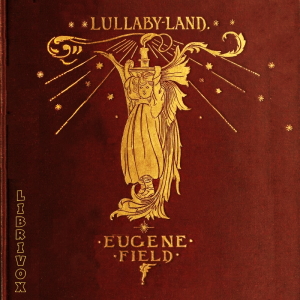
Lullaby-Land: Songs of Childhood - Eugene Field
Time0:16:21
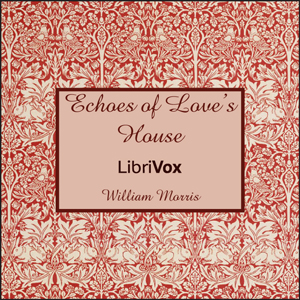
Echoes of Love’s House - William Morris

Time0:17:05
Broadway - Sara Teasdale
Time01:01:37
Short Poetry Collection 144 - Various
Time00:45:58
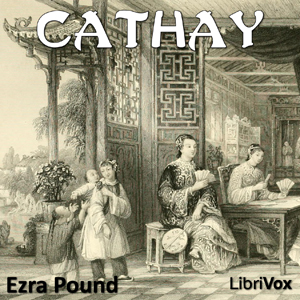
Cathay - Ezra POUND
Time0:18:45
O Solitude! if I must with thee dwell - John Keats
Time3:35:36
Selected Poems by Currer, Ellis and Acton Bell - Anne Brontë
Time00:39:53
Bill & Doreen's Courtship (Selections from "The Songs of a Sentimental Bloke") - C. J. Dennis

Time0:23:16
Let Us Make Each Day Our Birthday - S.A.R.
Time4:45:21
The Wit and Humor of America, Vol 09 - Various
Poetry is a genre of literature that uses language in a creative and artistic way to express emotions, ideas, and experiences. Poems can be written in various forms, including sonnets, haikus, free verse, and more. The language used in poetry is often rich and imaginative, with a focus on metaphor, symbolism, and imagery. Poets use various techniques such as rhyme, rhythm, repetition, and alliteration to create a musical quality in their work. Poetry can cover a wide range of themes, from love and nature to social issues and political commentary. It is a genre that allows for personal expression and interpretation, inviting readers to connect with the emotions and experiences of the poet.
- Poetry is a genre of literature that uses language in a creative and artistic way.
- The purpose of poetry is to express emotions, ideas, and experiences.
- Poems can be written in various forms, including sonnets, haikus, free verse, and more.
- The language used in poetry is often rich and imaginative, with a focus on metaphor, symbolism, and imagery.
- Poets use various techniques such as rhyme, rhythm, repetition, and alliteration to create a musical quality in their work.
- Poetry can cover a wide range of themes, from love and nature to social issues and political commentary.
- Poetry allows for personal expression and interpretation, inviting readers to connect with the emotions and experiences of the poet.
- Poetry is a genre of literature that uses language in a creative and artistic way.
- The purpose of poetry is to express emotions, ideas, and experiences.
- Poems can be written in various forms, including sonnets, haikus, free verse, and more.
- The language used in poetry is often rich and imaginative, with a focus on metaphor, symbolism, and imagery.
- Poets use various techniques such as rhyme, rhythm, repetition, and alliteration to create a musical quality in their work.
- Poetry can cover a wide range of themes, from love and nature to social issues and political commentary.
- Poetry allows for personal expression and interpretation, inviting readers to connect with the emotions and experiences of the poet.